
What is the market cap of all cryptocurrencies
Each entry on the blockchain is called a “block.” These blocks are linked together to form a “chain.” Once a block is added to the chain, it cannot be altered or deleted without changing every subsequent block, making the entire chain highly secure https://vege-chandra.info/. Blockchain is often described as “immutable,” meaning the data cannot be modified once it’s recorded.
Both MATIC and XRP have tons of potential to shine again by 2024, but TOADS has all that upside and more. That’s why investors continue to flock to its revolutionary presale even though it hasn’t been released yet, with the chance of grabbing millionaire-making gains by 2024.
Since blockchains operate 24/7, people can make more efficient financial and asset transfers, especially internationally. They don’t need to wait days for a bank or a government agency to manually confirm everything.
Theoretically, a decentralized network, like blockchain, makes it nearly impossible for someone to make fraudulent transactions. To enter in forged transactions, they would need to hack every node and change every ledger. While this isn’t necessarily impossible, many cryptocurrency blockchain systems use proof-of-stake or proof-of-work transaction verification methods that make it difficult, as well as not in participants’ best interests, to add fraudulent transactions.
Cryptocurrency transactions are also fast and global, as they don’t rely on traditional banking systems. This makes cryptocurrencies an appealing option for people in countries with unstable currencies or those who want to avoid high transaction fees.
All the cryptocurrencies
TThe data at CoinMarketCap updates every few seconds, which means that it is possible to check in on the value of your investments and assets at any time and from anywhere in the world. We look forward to seeing you regularly!
Each of our coin data pages has a graph that shows both the current and historic price information for the coin or token. Normally, the graph starts at the launch of the asset, but it is possible to select specific to and from dates to customize the chart to your own needs. These charts and their information are free to visitors of our website. The most experienced and professional traders often choose to use the best crypto API on the market. Our API enables millions of calls to track current prices and to also investigate historic prices and is used by some of the largest crypto exchanges and financial institutions in the world. CoinMarketCap also provides data about the most successful traders for you to monitor. We also provide data about the latest trending cryptos and trending DEX pairs.
A token is a digital asset created on an existing blockchain platform. They represent various types of assets or utilities. Tokens are not native to the blockchain they’re built on and can include utility tokens, security tokens, or non-fungible tokens (NFTs). Examples of tokens are Uniswap (UNI), Binance Coin (BNB) and Chainlink (LINK).
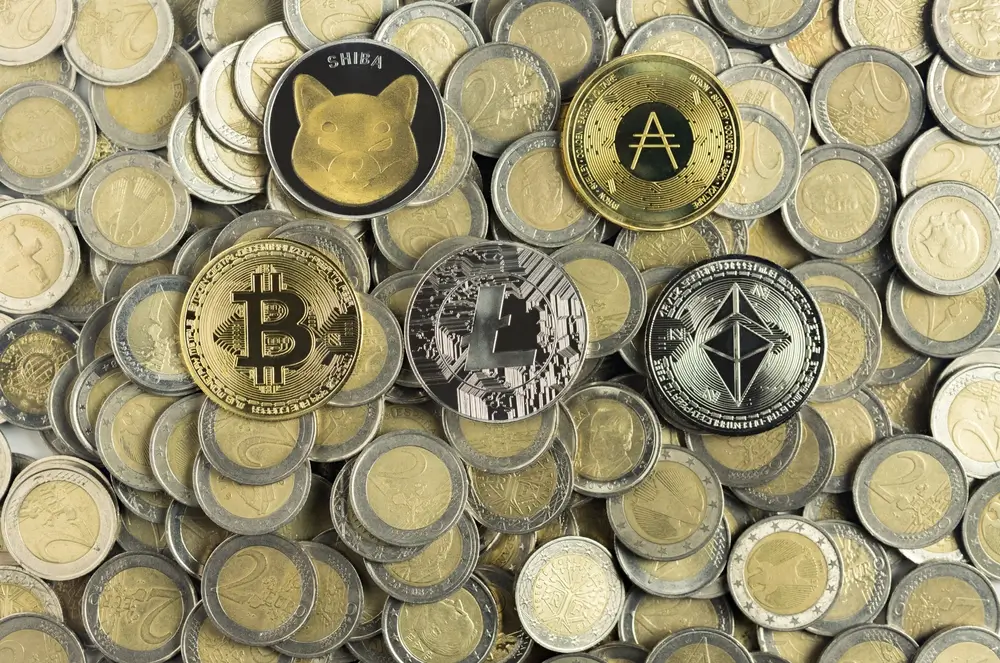
TThe data at CoinMarketCap updates every few seconds, which means that it is possible to check in on the value of your investments and assets at any time and from anywhere in the world. We look forward to seeing you regularly!
Each of our coin data pages has a graph that shows both the current and historic price information for the coin or token. Normally, the graph starts at the launch of the asset, but it is possible to select specific to and from dates to customize the chart to your own needs. These charts and their information are free to visitors of our website. The most experienced and professional traders often choose to use the best crypto API on the market. Our API enables millions of calls to track current prices and to also investigate historic prices and is used by some of the largest crypto exchanges and financial institutions in the world. CoinMarketCap also provides data about the most successful traders for you to monitor. We also provide data about the latest trending cryptos and trending DEX pairs.
Are all cryptocurrencies based on blockchain
A blockchain allows the data in a database to be spread out among several network nodes—computers or devices running software for the blockchain—at various locations. This creates redundancy and maintains the fidelity of the data. For example, if someone tries to alter a record on one node, the other nodes would prevent it from happening by comparing block hashes. This way, no single node can alter information within the chain.
As we now know, blocks on Bitcoin’s blockchain store transactional data. Today, tens of thousands of other cryptocurrencies run on a blockchain. But it turns out that blockchain can be a reliable way to store other types of data as well.
With thousands of cryptocurrencies available today, understanding the different types can help you make smarter choices, whether you are investing, trading, or simply exploring the technology. Each category, from payment coins and utility tokens to stablecoins and governance assets, plays a distinct role in the broader crypto ecosystem.
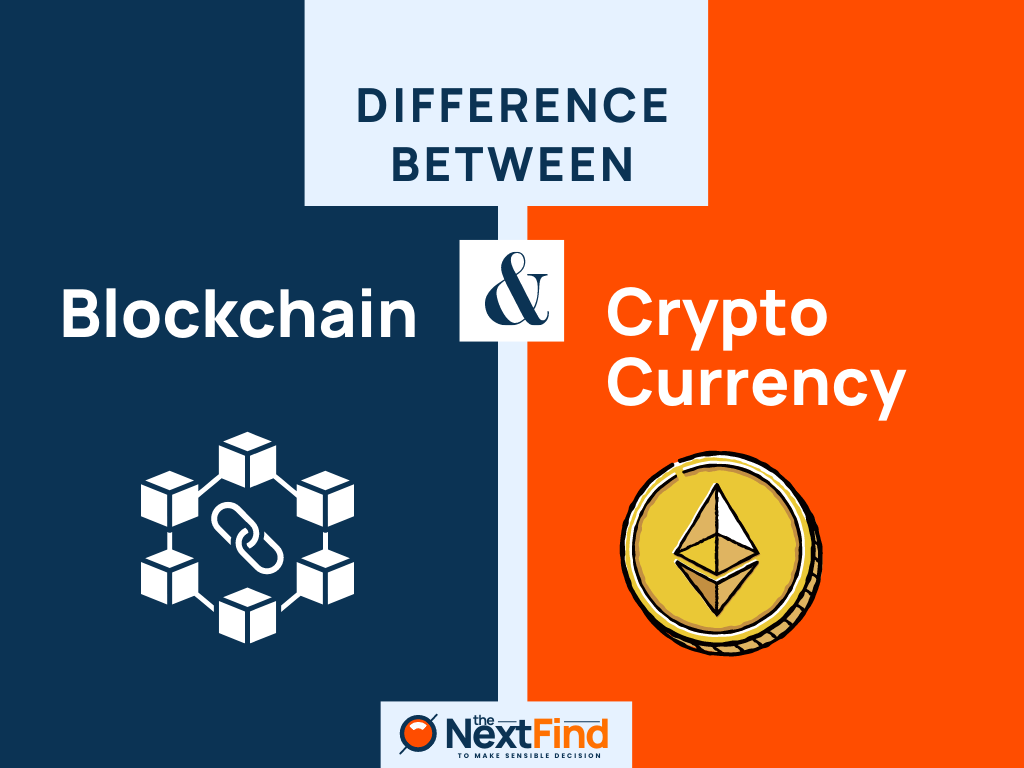
A blockchain allows the data in a database to be spread out among several network nodes—computers or devices running software for the blockchain—at various locations. This creates redundancy and maintains the fidelity of the data. For example, if someone tries to alter a record on one node, the other nodes would prevent it from happening by comparing block hashes. This way, no single node can alter information within the chain.
As we now know, blocks on Bitcoin’s blockchain store transactional data. Today, tens of thousands of other cryptocurrencies run on a blockchain. But it turns out that blockchain can be a reliable way to store other types of data as well.
With thousands of cryptocurrencies available today, understanding the different types can help you make smarter choices, whether you are investing, trading, or simply exploring the technology. Each category, from payment coins and utility tokens to stablecoins and governance assets, plays a distinct role in the broader crypto ecosystem.